Affordable Cellular Connectivity for IoT Devices
Remote monitoring is no longer a luxury reserved for large enterprises. Whether you're tracking soil moisture on a farm, monitoring temperature in a cold storage facility, or keeping tabs on a security camera at a remote site, cellular IoT connectivity has become essential—and surprisingly affordable.
The challenge? Most consumer wireless plans are designed for smartphones, not low-bandwidth sensors that send a few kilobytes of data every hour. You don't need unlimited streaming or hotspot capabilities. You need reliable, low-cost data plans that won't drain your budget when you're deploying dozens of devices.
What Makes a Good IoT Data Plan?
Not all cellular plans work well for IoT applications. Here's what matters for sensors and monitoring equipment:
Coverage and Network Reliability
Your sensor might be in a basement, a remote field, or mounted on a rooftop. Network reach matters more than download speed. AT&T and T-Mobile networks cover the vast majority of the United States, including rural areas where monitoring is most critical.
Data Limits That Match Usage
Most environmental sensors use 10-50 MB per month. Security cameras might use 500 MB to 2 GB depending on resolution and upload frequency. You need plans with enough data for your use case without paying for features you'll never use.
Month-to-Month Flexibility
Seasonal monitoring stations don't need year-round service. Agricultural sensors might only run during growing season. Construction site cameras get decommissioned when the project ends. Month-to-month plans let you activate and pause as needed.
Easy Activation and Management
When you're deploying ten temperature sensors across multiple warehouses, you can't spend an hour activating each SIM card. Simple online activation and bulk management tools save time and frustration.
Nexitel Plans for IoT Applications
Nexitel offers two network options that work exceptionally well for IoT deployments:
Nexitel Blue Plans (AT&T Network)
Running on the AT&T network, Nexitel Blue plans provide extensive coverage including rural and remote areas. Options include:
- BlueDom at $10/month — basic connectivity for ultra-low-bandwidth sensors
- BlueConnect at $15/month — suitable for moderate data needs
- BluePremium at $25/month — for cameras and higher-bandwidth devices
- BluePro at $35/month — premium option for data-intensive monitoring
Explore all Blue plan details at https://www.nexitel.us/plans.
Nexitel Purple Plans (T-Mobile Network)
For areas with strong T-Mobile coverage, Purple plans offer even more budget-friendly options:
- PurpleStart at $5/month — perfect for text-based alerts and minimal data sensors
- PurpleText at $9/month — adds more flexibility for low-bandwidth devices
- PurpleData at $12/month — balanced option for regular data transmission
- PurpleMax at $15/month — handles higher data volumes
See complete plan specifications at https://www.nexitel.us/plans.
Common IoT Use Cases and Plan Recommendations
Environmental Monitoring
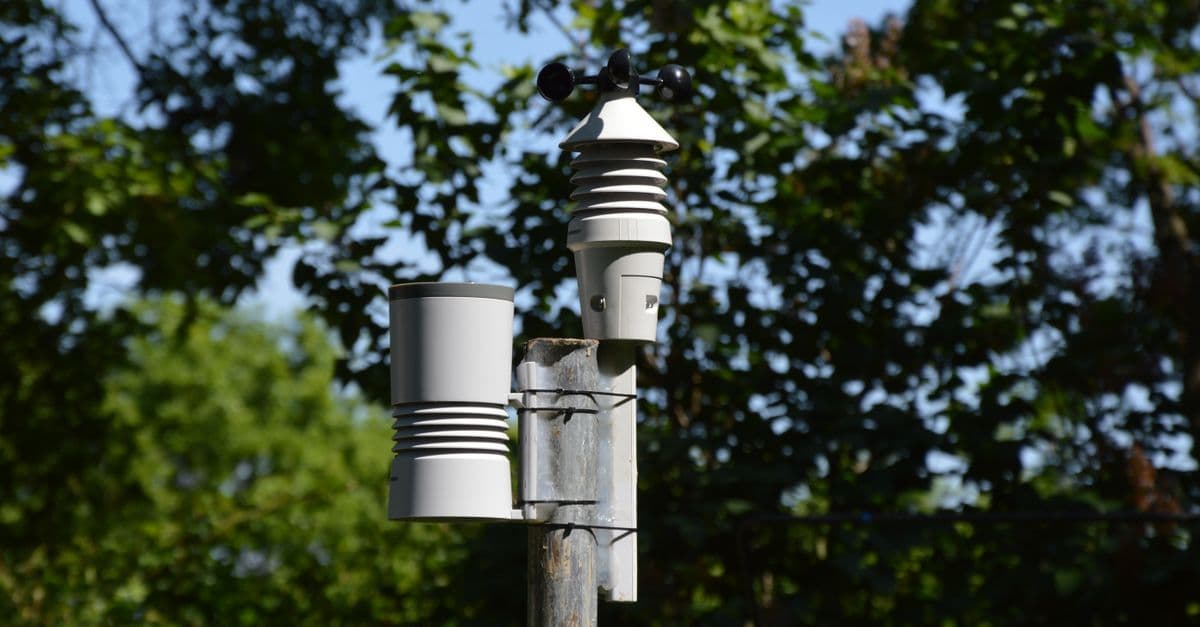
Soil moisture sensors, weather stations, and air quality monitors typically transmit small data packets every 15-60 minutes. Monthly usage rarely exceeds 50 MB.
Recommended: PurpleStart or BlueDom provide all the connectivity you need at the lowest price point.
Security Cameras
Video surveillance requires significantly more bandwidth. A camera uploading 10-second clips on motion detection might use 1-3 GB monthly. Continuous low-resolution streaming can reach 5-10 GB.
Recommended: BlueConnect, BluePremium, PurpleData, or PurpleMax depending on video quality and upload frequency.
Fleet Tracking
GPS trackers sending location updates every 5-10 minutes use minimal data—typically 20-100 MB monthly.
Recommended: PurpleText or BlueDom offer excellent value for position reporting.
Smart Agriculture
Farm automation systems monitoring irrigation, livestock location, or grain storage conditions combine multiple sensors. Data needs vary based on reporting frequency.
Recommended: Start with PurpleData or BlueConnect for flexibility, then adjust based on actual usage.
Construction Site Monitoring
Temporary installations for security, equipment tracking, or environmental compliance need month-to-month service without contracts.
Recommended: Any Nexitel plan works well—choose based on your data needs, then deactivate when the project completes.
Utility Metering
Smart meters for water, electricity, or gas consumption send small data packets once or twice daily. Annual data usage often stays under 500 MB.
Recommended: PurpleStart or PurpleText deliver reliable connectivity at minimal cost.
Setting Up Your IoT Devices
Getting started with cellular IoT is straightforward:
- Choose your network: AT&T (Blue) or T-Mobile (Purple) based on coverage in your deployment area
- Select a plan: Match the data allowance to your device's expected usage
- Activate online: Quick activation process gets your SIM connected in minutes
- Configure your device: Enter APN settings (provided with your SIM)
- Test connectivity: Verify data transmission before final deployment
- Monitor usage: Track data consumption and adjust plans if needed
APN Configuration
Most IoT devices require Access Point Name (APN) configuration. Nexitel provides clear APN settings with each activated SIM. Configuration typically takes 2-3 minutes through your device's cellular modem interface.
Managing Multiple Devices
Deploying more than a handful of sensors? Consider these strategies:
Standardize on One Network
Consistency simplifies troubleshooting. If AT&T coverage works well in your primary deployment areas, stick with Nexitel Blue plans for all devices.
Label Everything
Physical labels on SIM cards matching your internal device inventory prevent confusion during maintenance.
Track Usage Patterns
Monitor data consumption for the first 30-60 days. You might discover you can downgrade to a lower-cost plan without impacting functionality.
Schedule Activation
For seasonal deployments, note when service will be needed. Activate 2-3 days before deployment to ensure connectivity is working.
Data Usage Optimization
Reduce monthly costs by optimizing how your devices use cellular data:
- Batch transmissions: Send hourly summaries instead of individual readings every minute
- Compress data: Many sensors support data compression, cutting bandwidth by 30-50%
- Use threshold alerts: Only transmit when values change significantly
- Schedule uploads: Non-urgent data can wait for off-peak transmission windows
- Optimize image quality: Security cameras don't always need 1080p uploads
Remote Troubleshooting
When a sensor stops reporting, cellular connectivity issues are often the culprit:
- Check signal strength at the installation location
- Verify the SIM is properly seated and hasn't been damaged
- Confirm the plan is active and has available data
- Review APN settings in the device configuration
- Test with a known-working device at the same location
Battery-Powered Devices
Cellular modems consume significant power. For solar or battery-powered sensors:
- Choose devices with sleep modes that power down the modem between transmissions
- Reduce transmission frequency when possible
- Consider plans with lower data allowances to match reduced transmission schedules
- Test battery life thoroughly before remote deployment
Compliance and Security
Industrial monitoring often involves regulated data. Cellular connections provide several security advantages:
- Encrypted transmission over carrier networks
- No reliance on potentially insecure WiFi networks
- Dedicated connection per device
- Harder to intercept than radio-frequency sensor networks
Scaling Your Deployment
Start small and expand based on results:
- Deploy 2-3 devices as a pilot program
- Monitor data usage, reliability, and battery life for 30 days
- Refine configuration based on real-world performance
- Expand to full deployment with proven settings
- Keep a spare activated SIM for quick replacement if hardware fails
When to Upgrade Plans
You might outgrow your initial plan selection:
- Video resolution increases beyond original specifications
- Reporting frequency increases for critical applications
- Additional sensors get added to existing devices
- Backup/redundancy requires multiple transmission paths
Nexitel's month-to-month structure means you can upgrade immediately without contract penalties. Check your current data usage and select a new plan at https://www.nexitel.us/plans.
Cost Comparison: Cellular vs. Alternatives
WiFi Connectivity
Requires infrastructure (routers, internet service) at each location. Not viable for remote or mobile deployments.
LoRaWAN and Other Low-Power Networks
Limited coverage, requires gateway installation, often higher upfront hardware costs. Cellular coverage is already built out nationwide.
Satellite Connectivity
Much higher monthly costs and longer latency. Only necessary in truly remote locations beyond cellular reach.
Get Started with IoT Connectivity Today
Whether you're monitoring a single freezer or managing hundreds of agricultural sensors across multiple states, Nexitel plans deliver reliable cellular connectivity without the complexity and cost of traditional carrier contracts.
Choose Nexitel Blue for AT&T network coverage starting at $10/month, or Nexitel Purple for T-Mobile network coverage from just $5/month. No contracts, no activation fees, no surprises—just dependable data service for your monitoring devices.
Visit https://www.nexitel.us/plans to compare plans and start connecting your IoT devices today.